





If you've been googling magnesium for menopause, you've probably found a lot of "yes, magnesium helps" without much guidance on which magnesium, how much, or why it works in the first place. That gap matters — because the form you choose makes a real difference in whether you notice a benefit or wonder why you wasted your money.
As pharmacists, we get asked about magnesium and menopause symptoms regularly. Hot flashes that won't quit. Sleep that's become a nightly negotiation. The low-grade anxiety that showed up somewhere around perimenopause and never fully left. These are real, disruptive symptoms — and magnesium is one of the most evidence-supported, lowest-risk tools we can recommend to support you through them.
This guide gives you what a pharmacist would actually tell you: the biochemistry behind why magnesium matters more during menopause, which forms work for which symptoms, realistic dosing guidance, and when supplementing alone may not be enough.
Why Magnesium Matters More During Menopause
Most people think of magnesium deficiency as a dietary problem — not enough leafy greens, too much processed food. That's part of it. But during perimenopause and menopause, there's a metabolic reason your magnesium status may decline even if your diet hasn't changed.
Estrogen plays a direct role in magnesium regulation. It supports the transport of magnesium into cells and influences how efficiently your kidneys retain it. As estrogen levels drop, this regulatory mechanism weakens — meaning your body may be excreting more magnesium and absorbing it less efficiently than it did in your thirties. Research published in the Journal of Nutrition has documented the relationship between estrogen and magnesium metabolism, and it helps explain why so many women in perimenopause test low or borderline even when they think they eat well.
This matters because magnesium is involved in over 300 enzymatic reactions in the body. It touches sleep, mood, bone density, cardiovascular tone, muscle function, and blood sugar regulation — which is another way of saying that a quiet deficiency during menopause can look a lot like menopause itself: fatigue, poor sleep, muscle tension, anxiousness, and low mood. Sorting out where the overlap is, and addressing it, is exactly the kind of problem pharmacist-guided supplementation can help with.
"Just eat more spinach" isn't always a practical answer when your absorption is compromised, your needs have increased, and your symptoms are disrupting your daily life.
What Does Magnesium Actually Do for Menopause Symptoms?
Understanding the mechanism helps you evaluate the evidence rather than just taking our word for it.
Hot Flashes
A North Central Cancer Treatment Group study (NCCTG N10C2, published in Supportive Care in Cancer) evaluated magnesium supplementation in women experiencing hot flashes following breast cancer treatment — a population where hormone therapy is typically contraindicated. They found that magnesium oxide supplementation was associated with a reduction in hot flash frequency and severity scores. The proposed mechanism involves magnesium's role in vascular tone and thermoregulatory pathways. Estrogen normally helps stabilize the hypothalamic thermostat; when estrogen declines, that thermostat becomes more reactive. Magnesium may help modulate vascular reactivity and reduce the frequency of those temperature spikes.
Sleep
Magnesium has a well-documented relationship with sleep quality, and this is one of the most clinically meaningful benefits for menopausal women. It works through two main pathways: activating GABA receptors (GABA is the primary inhibitory neurotransmitter — essentially your brain's "calm down" signal) and helping regulate cortisol. Elevated nighttime cortisol is a common contributor to the insomnia pattern many women describe during menopause — the inability to stay asleep between 2 and 4 a.m. Magnesium's cortisol-modulating effects, combined with GABA activation, may help restore more restorative sleep architecture. For this indication specifically, the form of magnesium you choose matters significantly.
Mood and Anxiety
Magnesium is a required cofactor in the synthesis of serotonin. It also plays a role in regulating the HPA (hypothalamic-pituitary-adrenal) axis — the system governing your stress response. Women who describe a new or worsening anxiousness during perimenopause, or a "low-grade dread" that didn't exist before, may be experiencing the compound effect of estrogen-related neurotransmitter changes alongside magnesium insufficiency. Addressing the magnesium side of this equation doesn't replace a conversation about hormone levels, but it's a reasonable and low-risk starting point.
Bone Health
Magnesium is a cofactor for vitamin D activation and calcium metabolism — two nutrients most women already associate with bone health during menopause. About 60% of the body's magnesium is stored in bone, and magnesium deficiency is associated with impaired parathyroid hormone (PTH) regulation, which in turn affects calcium absorption. A magnesium-sufficient supplement protocol supports the full mineral ecosystem that keeps bone density stable as estrogen declines.
Weight Management and Glucose Metabolism
Magnesium plays a role in insulin sensitivity and glucose metabolism. Women concerned about magnesium and weight gain during menopause are often experiencing the metabolic shift that comes with declining estrogen — increased insulin resistance, redistribution of fat to the abdomen, and slower metabolism. While magnesium supplementation is not a weight-loss intervention, adequate magnesium may support healthier insulin signaling as part of a broader metabolic support strategy.
Which Form of Magnesium Is Best for Menopause?
This is where most wellness articles stop short, and where pharmacist guidance earns its keep. The supplement aisle offers at least six or seven different magnesium compounds — and they are not interchangeable.
| Form | Best For | Bioavailability | Notes |
|---|---|---|---|
| Magnesium Glycinate | Sleep, anxiety, mood, general menopause support | High | Gentlest on digestion; our top recommendation for menopause |
| Magnesium Citrate | Constipation, general use, bone health | Good | May have mild laxative effect at higher doses |
| Magnesium Malate | Fatigue, muscle soreness, energy support | Good | Malic acid supports ATP production — useful when fatigue is the primary complaint |
| Magnesium L-Threonate | Cognitive clarity, focus, memory | High (CNS) | Crosses blood-brain barrier efficiently; worth considering if brain fog is a primary complaint |
| Magnesium Oxide | Not recommended | Low | Found in many low-cost supplements; largely excreted before absorption |
For most women navigating menopause symptoms, magnesium glycinate is the form we recommend most often. It delivers a well-absorbed, highly bioavailable dose of elemental magnesium without the GI side effects common to citrate at higher doses, and the glycine component has independent calming properties that complement magnesium's sleep and anxiety benefits.
If constipation is a primary complaint — common during menopause due to declining estrogen's effects on gut motility — magnesium citrate may be a better fit or a useful addition. If fatigue, muscle aches, and low energy are your main concerns, magnesium malate is worth considering given the mitochondrial-support role of malic acid.
What We Carry at Towncrest
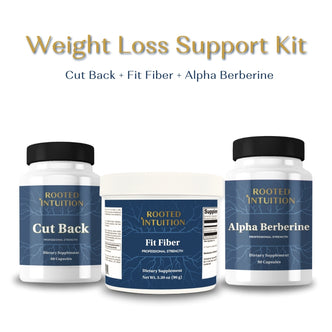
Our Rooted Intuition supplement line includes pharmacist-formulated magnesium options designed with bioavailability and menopause-relevant symptom support in mind. We also carry Pure Encapsulations — one of the most rigorously tested third-party supplement brands available. Both are available through our online store with Subscribe & Save options for consistent daily use.
How Much Magnesium Should Women Take During Menopause?
The Recommended Dietary Allowance (RDA) for magnesium in women aged 31 and older is 320 mg per day from all sources (food + supplements combined). Most American women consume roughly 200–250 mg through diet alone — meaning a supplement providing an additional 100–200 mg of elemental magnesium is generally appropriate to bridge the gap.
For menopause-specific symptom support, doses in the range of 200–400 mg of elemental magnesium daily are commonly used in clinical literature. Note that the elemental magnesium content differs from the total weight of the compound on the label — a 500 mg magnesium glycinate capsule may deliver around 50–75 mg of elemental magnesium, depending on the formulation. Read the supplement facts panel, not just the front-of-label claim.
Timing: Magnesium is best taken in the evening for sleep and anxiety support — both because of its calming effects and because it may help regulate nighttime cortisol. Taking it with food reduces the risk of GI discomfort.
Splitting doses: If you're taking 300+ mg daily, splitting the dose between afternoon and evening is a reasonable approach that may improve absorption and reduce any laxative effect.
⚠️ Always consult your healthcare provider before starting magnesium supplementation, particularly if you take prescription medications, have kidney disease, or have a cardiac condition. Magnesium can interact with several common medication classes — see the section below.
Side Effects and What to Watch For
Magnesium is well-tolerated for most people, but there are a few things worth knowing before you start.
Gastrointestinal Effects
The most common side effect — and the one most frequently attributed to "magnesium didn't agree with me" — is loose stools or diarrhea. This is dose-dependent and far more common with magnesium oxide and magnesium citrate than with magnesium glycinate or malate. If you've tried magnesium before and experienced GI upset, switching to glycinate at a lower starting dose (100–150 mg) and titrating up is usually better tolerated. Many questions about the side effects of magnesium and hot flashes reflect this concern — magnesium is not known to worsen hot flashes, but GI discomfort at higher doses is real and manageable with the right form.
Drug Interactions
Magnesium can affect the absorption and efficacy of several medication classes:
- Antibiotics (fluoroquinolones, tetracyclines): Magnesium can bind these drugs in the GI tract, reducing absorption. Separate doses by at least two hours.
- Bisphosphonates (e.g., alendronate for osteoporosis): Take bisphosphonates separately from magnesium supplements.
- Diuretics: Some diuretics increase magnesium excretion; others may cause retention. Your pharmacist can review your specific medication.
- Proton pump inhibitors (PPIs): Long-term PPI use is associated with magnesium depletion — an important consideration for women on chronic acid-suppression therapy who are also navigating menopause symptoms.
- Medications for diabetes: Magnesium's effects on insulin sensitivity are generally favorable, but monitoring may be appropriate.
Who Should Use Extra Caution
Women with chronic kidney disease should not supplement magnesium without provider guidance, as impaired kidneys may not excrete excess magnesium efficiently. Those with cardiac arrhythmias or who take digoxin or calcium channel blockers should also consult their provider before starting supplementation. This is exactly the kind of individualized guidance that makes a pharmacist a valuable resource — we can review your full medication list and flag any interactions before you start.
When Magnesium Isn't Enough — Could Your Hormones Need More Support?
Magnesium is a meaningful tool for menopause symptom support, and for many women, it makes a noticeable difference in sleep quality, muscle tension, and anxiousness. But it supports the body's systems — it doesn't replace the hormones that are no longer being produced at the same levels.
If you've been consistent with a quality magnesium supplement for six to eight weeks and you're still experiencing significant hot flashes, persistent sleep disruption, mood instability, or the kind of cognitive fog that's affecting your work or daily life, it may be time to look at the hormonal picture more completely.
Bioidentical hormone therapy (BHRT) — including compounded estradiol, progesterone, and testosterone formulated to your specific needs — is an option that our pharmacist-prescriber can evaluate with you. Because we both prescribe and compound in-house, a consultation with us can lead to a personalized protocol that addresses what magnesium alone cannot: the underlying hormone shifts driving your symptoms.
Magnesium and BHRT are not competing options. Many of our patients use both — the magnesium supporting sleep, muscle health, and mood from a nutritional foundation, while a tailored hormone protocol addresses the root hormonal changes of menopause.
If your symptoms are impacting your quality of life, we'd encourage you not to wait. Schedule a consultation with our team to talk through your full picture — hormone levels, symptom history, current supplements, and medications — and explore what a personalized approach might look like for you.
Frequently Asked Questions
What magnesium is good for menopause?
Magnesium glycinate is the form most commonly recommended for menopause symptom support. It offers high bioavailability, is gentle on the digestive system, and has a calming profile that supports sleep and mood — two of the most common concerns during menopause. Magnesium citrate is a reasonable alternative if constipation is also a concern, and magnesium malate may be preferred when fatigue and muscle soreness are the primary complaints.
Which magnesium is good for menopause?
For most women, magnesium glycinate is the best starting point because it's well-absorbed, rarely causes GI upset, and supports both sleep and anxiety. If you've tried magnesium before and didn't notice a benefit, it's worth asking which form you were taking. Magnesium oxide — found in many low-cost supplements — has poor bioavailability and is unlikely to raise tissue magnesium levels meaningfully.
Does magnesium help with menopause hot flashes?
Research suggests magnesium may help reduce the frequency and severity of hot flashes, though it is not a replacement for hormone therapy in women with significant vasomotor symptoms. A clinical study (NCCTG N10C2) found meaningful reductions in hot flash scores with magnesium supplementation. Results vary by individual, and consulting your healthcare provider is recommended before starting supplementation.
Can magnesium help with menopause sleep problems?
Magnesium may help improve sleep quality during menopause by activating GABA receptors and supporting healthy cortisol regulation — both of which are commonly disrupted during this transition. Many women find that taking magnesium glycinate in the evening supports falling asleep and staying asleep. It works best as part of a consistent supplementation routine rather than a short-term sleep aid.
What is the best dosage of magnesium for menopause?
The RDA for women over 31 is 320 mg daily from all sources. For menopause symptom support, supplemental doses of 200–400 mg of elemental magnesium per day are commonly used. Start at a lower dose (around 100–150 mg) and increase gradually to assess tolerance. Always check the elemental magnesium content on the supplement facts panel. Consult your healthcare provider or pharmacist to determine the right dose for your individual needs and medications.
Are there side effects of taking magnesium for hot flashes?
The most common side effect is loose stools or mild GI discomfort, most likely at higher doses or with less bioavailable forms like magnesium oxide. Choosing magnesium glycinate and starting at a lower dose reduces this risk for most people. Magnesium is not known to worsen hot flashes; however, it can interact with certain medications including antibiotics, diuretics, and bisphosphonates. A pharmacist review of your full medication list before starting is always a good idea.
Can I take magnesium with my hormone therapy?
For most women, magnesium can be taken alongside hormone therapy without concern. There are no well-documented direct interactions between magnesium supplements and bioidentical or conventional hormone therapy. If you take other medications as part of your care regimen, your pharmacist should review your full list before you add any supplement. A consultation allows us to look at the complete picture together.
Our Pharmacist Recommendation
At Towncrest Pharmacy, we've been helping Iowa women navigate the supplement decisions that actually matter — not the ones that generate the most marketing noise. Magnesium is one of the few supplements where the evidence, the safety profile, and the practical real-world benefit consistently align. We recommend it often, and we recommend it specifically: the right form, the right dose, the right timing.
Our Rooted Intuition supplement line was formulated by pharmacists with exactly these clinical considerations in mind. If you'd prefer a well-vetted third-party brand, Pure Encapsulations is available through our online store — and both are available with Subscribe & Save for consistent, uninterrupted use.
If you've been managing menopause symptoms and wondering whether there's more you could be doing, we'd love to talk. Our pharmacist-prescriber can evaluate whether a more complete approach — including lab-guided hormone evaluation and a personalized compounding protocol — might be the right next step for you.
Ready to get a clearer picture? Schedule a consultation with our team.
Want to start with supplements? Shop our pharmacist-formulated magnesium options.
This content is for informational purposes only and does not constitute medical advice. Compounded medications are prepared based on individual patient prescriptions and are not FDA approved. Supplements are not intended to diagnose, treat, cure, or prevent any disease. Consult your healthcare provider before starting any new medication or supplement. Prescribing services are available only to patients located in Iowa.